
Exploring Your Childhood Survival Strategies

Family Roles: Survival or Transformation?
Families are complex ecosystems where each member plays a unique part. In healthy families, children naturally explore different roles, sometimes the comedian, other times the caregiver. They're free to experiment, to grow, to change.
But in families where parents or caregivers struggle with substance or process dependencies, something fundamental shifts.
When Survival Becomes a Role
Children in families affected by dependency don't choose roles, they create survival strategies. Fear and shame become the architects of their behaviours. Each child develops a specific role so intense that what begins as a protective mechanism becomes a rigid identity.
These roles aren't just behaviours; they're survival scripts that follow clients into adulthood.
Understanding Your Origins
Many of you may have grown up as the Placater and Lost Child, constantly adjusting, making others comfortable, absorbing tension. You learned early that your safety depended on reading the emotional landscape and responding accordingly to your caregiver's dependency patterns.
The four main roles are below. Which one might resonate with your experience?

The Mascot
is the one who is cute and funny. They use humour to survive and are also very good at empathising with others and putting themselves in their shoes. Although you can be immature and a bit chaotic at times, people generally don't mind that. Confrontation terrifies you, therefore you will do anything to avoid it. You often struggle with boundaries and authentic self-expression in therapy. Find out more here
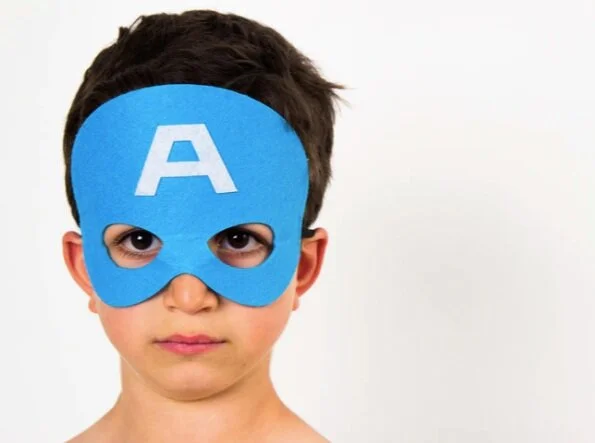
The Hero
has a very important job, to save the family. You have it all together and believe yourself to be special. At the same time, your deep feelings of inadequacy are well hidden. You feel that nothing you ever do is good enough, but your gift to the family was their pride in your achievements. You present as high-functioning but struggle with perfectionism and self-worth. Click here for more
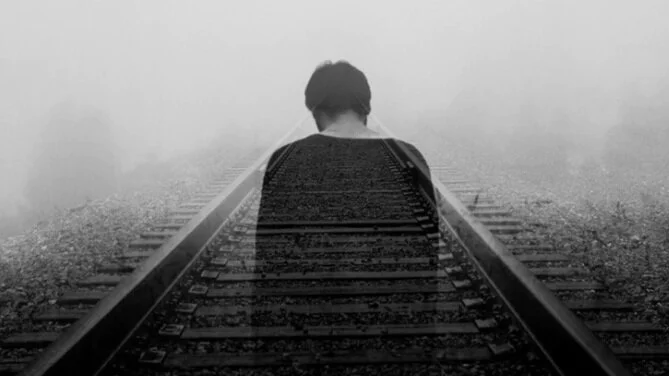
The Lost child
is the invisible one. Quiet. Withdrawn. Surviving by staying unnoticed. Avoiding conflict. Living in the shadows of family chaos. You can be the most challenging to engage initially, as invisibility became your primary survival mechanism. Find out more here

The Acting out one/scapegoat
is the rebel. The one who acted out. Drew attention away from family dysfunction by creating visible problems. Often misunderstood, deeply hurting. You may present with acting-out behaviours or dependencies of your own. Learn more about this here