
Understanding Family Violence: A Complex Issue
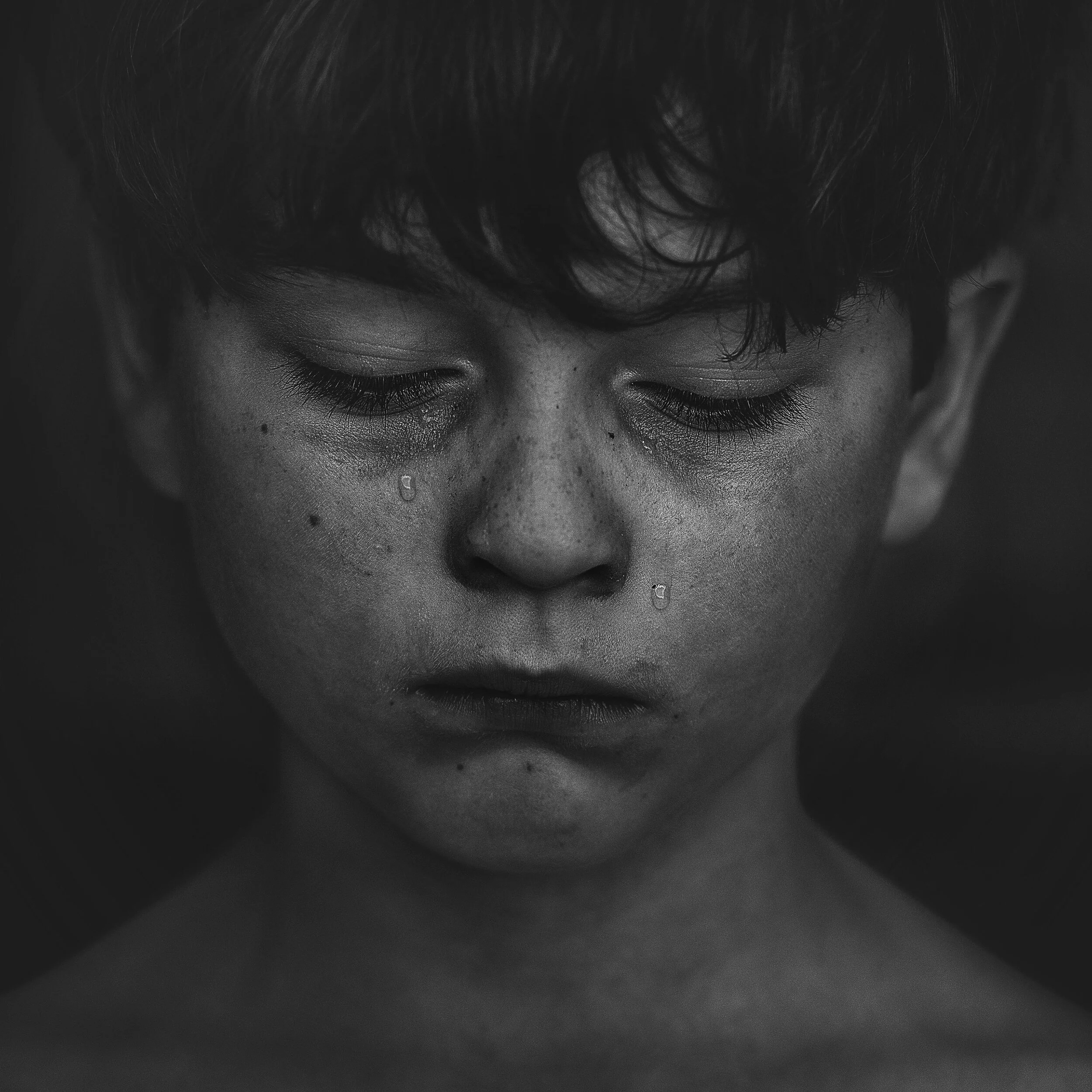
Family violence can stem from a range of factors, including dependency on substances or processes, unresolved trauma, and patterns learned across generations. For many children, witnessing or experiencing violence in the home (whether emotional, physical, or otherwise) can send a powerful message about how to respond to feelings of injustice or pain. When caregivers are struggling with addiction or compulsive behaviours, the home environment can become unpredictable and unsafe, leaving lasting impacts on children as they grow.
Often, a cycle develops where a sense of injustice is internalised, leading to anger or resentment that is then directed outward, sometimes through harmful behaviour. These feelings can accumulate over time, especially when the original hurts are never acknowledged or addressed. For those who grew up in such environments, anger may become a default response, simmering beneath the surface and easily triggered by reminders of past injustices.
While there is a wealth of information available about the dynamics of violence in families, it's just as important to understand the long-term effects of growing up in a home where addiction or dependency contributed to trauma. The impacts can be wide-ranging and are often categorised as follows:
Physical Violence: Acts such as hitting, slapping, pushing, or any form of bodily harm.
Emotional or Psychological Violence: Verbal abuse, threats, manipulation, gaslighting, or persistent criticism that erodes self-esteem.
Sexual Violence: Any non-consensual sexual contact or coercion.
Financial or Economic Abuse: Limiting access to money, controlling finances, or undermining a person's ability to be financially independent.
Neglect: Failing to meet basic needs, including food, shelter, medical care, or emotional support, which is especially harmful to children.
Spiritual or Cultural Abuse: Using religious or cultural beliefs to control, shame, or inflict harm.
If you grew up in a home affected by substance or process dependency, the message may have been clear: the strong overpower the vulnerable, and there is little room for vulnerability or healing. Repairing relationships may have seemed impossible, and unspoken rules like "don't think, don't feel, don't talk" became survival strategies, especially when physical or emotional safety was at risk. Over time, these protective responses can become deeply ingrained, making it difficult to trust, express yourself, or seek support.